
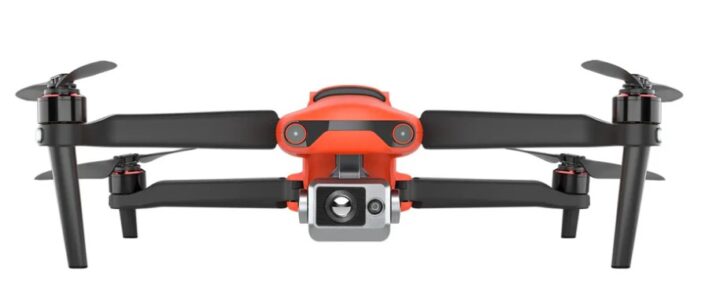
When lives are on the line, a thermal drone needs to do more than just fly well. It has to spot heat signatures quickly, transmit a clear image in difficult conditions, and stay in the air long enough to cover serious ground. That is exactly where the Autel EVO II Dual 640T stands out. Designed with public safety, firefighting, and search-and-rescue teams in mind, this drone combines a powerful thermal imaging system with a high-resolution visual camera in a compact and portable package.
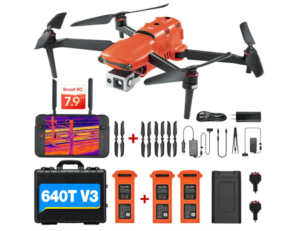
Autel Robotics EVO II Dual 640T V3
Feature |
Autel EVO II Dual 640T |
| Thermal Resolution | 640×512 |
| Visible Camera | 48MP / 8K |
| Flight Time | Up to 38 minutes |
| Thermal Zoom | Up to 16x digital zoom |
| Obstacle Avoidance | Omnidirectional |
Thermal Imaging Performance
The first thing that grabs your attention about the Autel EVO II Dual 640T is its impressive 640×512 thermal sensor. That level of thermal resolution delivers sharp heat signatures, helping rescuers identify missing persons, animals, or hotspots even in darkness, smoke, fog, or dense tree cover. The drone also features a 13mm thermal lens with up to 16x digital zoom, giving pilots the ability to scan wide areas without flying dangerously close to obstacles.
Flight Time and Stability
For search-and-rescue work, flight time matters just as much as image quality. The EVO II Dual 640T delivers up to 38 minutes of flight time under ideal conditions, allowing operators to search larger areas before swapping batteries. Combined with omnidirectional obstacle avoidance, the drone feels confident and stable in challenging terrain, especially during low-light missions.
Camera Quality
Another major advantage is the dual-camera setup. Alongside the thermal camera, you get a sharp 48MP visible-light camera capable of recording 8K video. This combination is incredibly useful during rescue operations because it allows teams to compare thermal data with visual details in real time. The picture-in-picture mode makes situational awareness even better by blending thermal and visual feeds on-screen.
Portability and Ease of Use
What makes this drone especially appealing to new buyers is how portable it is compared to larger enterprise thermal drones. It folds down into a manageable size, deploys quickly, and does not require a massive setup process before launch. That portability can make a huge difference when every minute counts in an emergency.
Real-World Search and Rescue Capability
The EVO II Dual 640T earns praise for its strong thermal clarity and versatile mission capabilities in public safety applications. Many operators appreciate the drone’s ability to detect heat signatures at significant distances while still maintaining excellent overall image detail. For search teams covering forests, mountains, disaster zones, or large rural areas, the drone delivers the kind of situational awareness that can save valuable time.
Things to Consider
While the EVO II Dual 640T performs impressively overall, some pilots have reported occasional software and connectivity frustrations over time, particularly with firmware stability and GPS performance. The price can also feel steep for hobby users, especially after adding extra batteries and enterprise accessories. Still, for serious buyers looking for a capable thermal drone without entering the price range of heavy industrial systems, it remains one of the best options available.
Final Verdict
If your goal is to find a reliable thermal drone for search and rescue, firefighting, inspections, or emergency response, the Autel EVO II Dual 640T offers a powerful balance of thermal performance, portability, and flight endurance. Its sharp thermal imaging, long flight time, and dual-camera versatility make it a strong choice for professionals and first-time thermal drone buyers alike.
Pros & Cons
Pros
- Excellent 640×512 thermal resolution
- Long flight time for extended missions
- Compact and portable design
- Sharp 48MP visual camera with 8K recording
- Picture-in-picture thermal viewing
- Strong obstacle avoidance system
Cons
- Expensive for casual users
- Some users report software and firmware issues
- Digital zoom is not as strong as optical zoom systems
- Enterprise accessories can add a high cost
Related