
Night vision technology has moved far beyond military use and into the hands of everyday users. From wildlife observation to home security and outdoor recreation, more people are exploring what these devices can do. But one question comes up again and again: is it actually legal to use night vision?
The short answer is yes, in most cases. But like many things involving optics, surveillance, and hunting equipment, the details matter. Laws vary depending on how the device is used, where you are, and what kind of night vision technology you are dealing with.
When Night Vision Use Becomes Restricted
The main restrictions tend to fall into a few categories. Hunting is one of the biggest. Many states regulate or prohibit the use of night vision when hunting certain animals, especially game species. The concern is that night vision can give hunters an unfair advantage.
There are also privacy considerations. Using night vision devices to observe people or private property without permission can raise legal issues, just like using any other surveillance equipment.
Finally, under ITAR (International Traffic in Arms Regulations), certain high-end devices may be restricted from being exported outside the country. This is more relevant for sellers and manufacturers, but it is still something buyers should be aware of.
Night Vision Laws in California
In California, night vision devices themselves are generally legal to own and use In everyday situations like security or observation. However, California has strict rules when it comes to how these devices are used, particularly in hunting. Under the California hunting laws, It is unlawful to use or possess night vision equipment to assist in the taking of a bird, mammal, amphibian, reptile, or fish.
The state is also known for having detailed equipment regulations, so hunters need to be especially careful to follow current wildlife laws.
Night Vision Laws in Texas
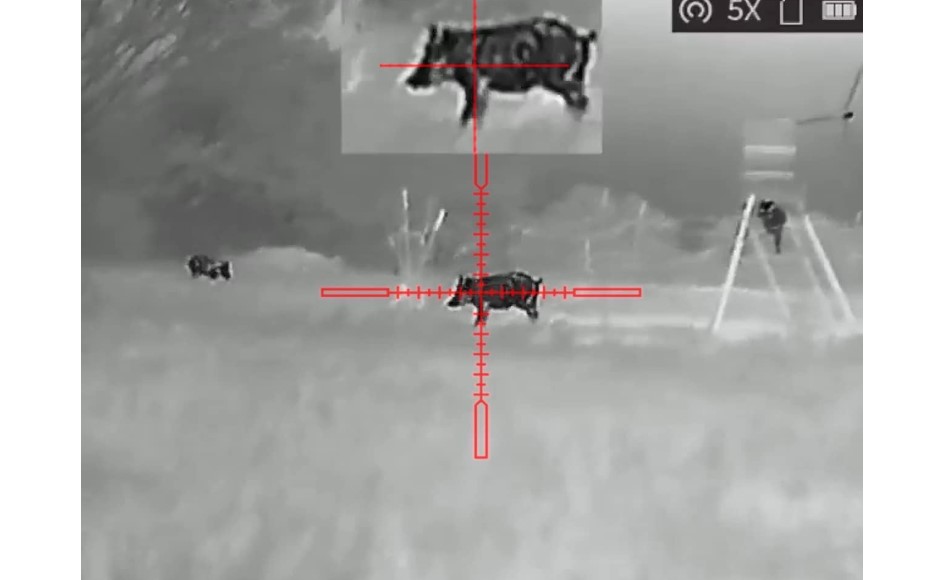
In Texas, the rules are generally more relaxed. Night vision devices are legal to own and widely used, especially in rural areas. Texas is known for allowing night hunting of certain animals, such as feral hogs, and night vision equipment is often part of that practice. However, even in Texas, regulations still apply depending on the species being hunted and the method used. For non-hunting purposes like property monitoring or wildlife observation, night vision is perfectly acceptable. As always, users are expected to follow broader laws related to safety and responsible use.
Practical Uses That Are Usually Legal
For most people, night vision is used in completely legal ways. Homeowners use it for security and to monitor their property at night. Outdoor enthusiasts rely on it for camping, hiking, and wildlife observation. Search and rescue teams also use night vision to operate in low-light conditions where visibility is limited.
These uses are rarely restricted because they do not create unfair advantages or violate public safety rules.
Final Thoughts
Night vision is legal for most civilian uses, and its growing popularity reflects how useful and accessible the technology has become. The key is understanding that legality depends less on the device itself and more on how it is used. Whether you are exploring the outdoors, improving home security, or simply curious about the technology, staying informed about local regulations ensures you can use night vision confidently and responsibly.
Related